New Enrollment • Programs start late August 2026

Come to a Free Intake

Saturday, 20 June 2026 · Platform C, Stadsplein 99, 1181 ZM Amstelveen

13:30

Ages 5-11: bring your child, come together

14:30

Teens 12-14, just for teens: come yourself, or with a parent

Ages 5-8: €175 (8 weeks) · Ages 8-11: €185 (8 weeks) · Teens 12-14: €99 introductory (10 weeks)

Meet the trainer · Try a real practice · Ask anything

What is Mindfulness for Children?

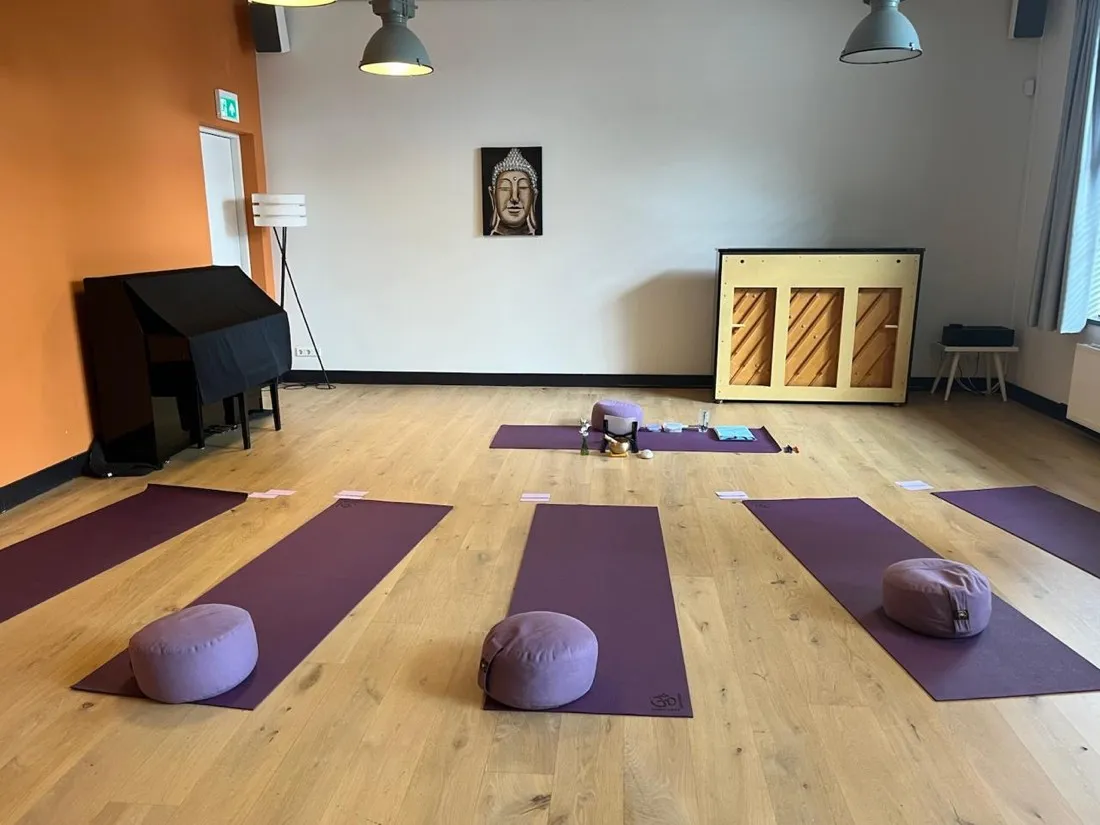
Mindfulness teaches children to be fully present in the moment, enabling them to understand their inner and outer world with an open and loving mind. Through playful activities, games, and gentle awareness practices, children learn to observe their thoughts, feelings, and body sensations without judgment.

Young children naturally live in the present moment. Mindfulness helps them maintain this gift while developing skills to navigate their inner and outer worlds: skills that will serve them throughout their lives.

Based on the renowned Eline Snel method, these programs introduce attention training in a way that's accessible and engaging for children, helping them cope with stress, improve concentration, and develop emotional resilience.

Why Mindfulness Matters

  • Improved focus and concentration in school and daily activities
  • Better emotional regulation and understanding of feelings
  • Reduced anxiety and stress through present-moment awareness
  • Enhanced self-awareness and body connection
  • Greater empathy and kindness toward self and others
  • Tools for managing difficult emotions and situations
  • Improved sleep quality and relaxation skills

Our Programs

Choose the program designed for your child's age group

Ages 5-8

Building Foundation Skills for Young Learners

This program introduces young children to attention training through playful activities, helping them develop body awareness and emotional understanding in age-appropriate ways with shorter activities suited for younger attention spans.

1

The A for Attention

"Friendly, mild attention for what is here now"

Children learn to pay attention to the present moment, notice what they're doing and feeling, and discover that relaxation feels good.

  • Focus on breathing for a moment
  • Practice "doing nothing"
  • No risk of making mistakes
2

An Expedition Through Your Body

"Living in your body means picking up signals"

Children learn that their body tells them when they're tired, happy, nervous, or sad, and how to recognize these signals.

  • Recognize body signals
  • Learn "enough is enough"
  • Become familiar with body language
3

Using All Five Senses

"Using senses brings you closer to actual experience"

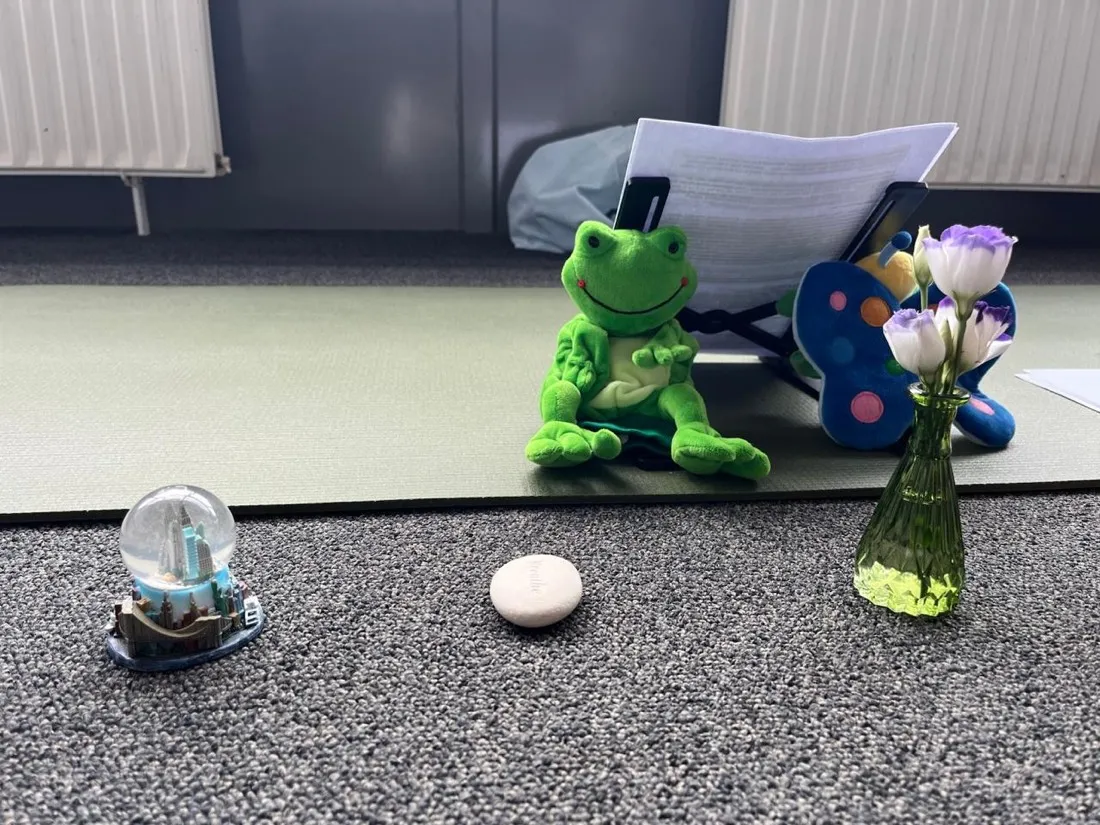
Through the raisin exercise and "sitting like a frog," children learn to observe without judgment and experience the moment directly.

  • Direct experience vs. thinking about it
  • Let go of "stories" about experiences
  • Observe as if for the first time
4

You Can Feel Feelings

"The four basic feelings are anger, joy, fear, and sorrow"

Children discover that all feelings are normal and temporary, like weather that comes and goes.

  • Feelings are reactions to situations
  • You're not your feelings, you have them
  • Sail between ignoring and being overwhelmed
5

Accepting Feelings

"Acceptance means recognizing what is happening"

Children learn to notice feelings in their bodies and accept them with friendly attention, without suppressing or being overwhelmed.

  • Accept pleasant and unpleasant feelings
  • Pay friendly attention without judgment
  • Attention creates clarity
6

Moving Consciously

"When consciousness and body work together"

Children notice their possibilities and limitations, learning to react to their body appropriately and build self-awareness.

  • Notice what you can and cannot do
  • Learn when something is enough
  • Trust body as a wise ally
7

The Power of Imagination

"Using imagination enables creative dealing with fears"

Children learn to make "pictures" in their minds, creating safe places and dealing creatively with things they're afraid of.

  • Strengthen confidence in change
  • Create safe places mentally
  • Understand by "seeing" not just "thinking"
8

Being Nice is Fun

"Friendliness is one of the most powerful qualities"

Children practice being complimentary and giving friendly feelings, creating a positive atmosphere around them.

  • Practice being kind
  • Give and receive friendly feelings
  • Create positive atmospheres
Ages 8-11

Building Present-Moment Awareness in Young Minds

This program teaches children to be fully present in the moment, enabling them to understand their inner and outer world with an open and loving mind through age-appropriate exercises and deeper exploration.

1

Observing and Focusing

"Being fully present without judgments"

Children learn to be present in the here and now, focusing attention on breath movement and starting to observe their inner world.

  • Breath as an anchor
  • Become aware of inner world
  • Observe without making judgments
2

Listening to Your Body

"Your body acts as a barometer for experiences"

Children develop conscious awareness of different body areas and learn to trust body signals, building self-awareness and healthy boundaries.

  • Body scan techniques
  • Recognize physical limits
  • Notice when "enough is enough"
3

Using All Five Senses

"Learning to observe through senses without judgment"

Through the "weather inside" exercise and raisin meditation, children distinguish between direct experience and mental interpretations.

  • Direct sensory experience vs. thinking
  • Let go of "stories" about experiences
  • Experience things as they truly are
4

Patience, Faith & Letting Go

"Managing desires by accepting what is"

Children learn three core principles: patience (changes cannot be forced), faith (everything changes), and letting go (release the urge to control).

  • Manage desires through inner imagery
  • Accept current reality
  • Trust in life's natural changes
5

You Can Feel Feelings

"Emotions are temporary reactions"

Children understand the four basic emotions and learn the crucial distinction: "It's not you being angry, it's you having angry feelings."

  • All feelings are temporary
  • Navigate between ignoring and overwhelm
  • Like weather, feelings come and go
6

The Wondrous World of Thoughts

"Learning to observe and manage thoughts"

In our stimulus-heavy world, children discover they can channel their mental energy more effectively and gain greater peace of mind.

  • Recognize "stories of the thinking mind"
  • Make conscious choices about focus
  • Improve concentration and memory
7

It's Fun to Be Kind

"Kindness is like gentle rain that falls everywhere"

Children learn that kindness touches the heart directly and that awareness of unkindness is essential for creating a better world.

  • Kind thoughts reduce prejudice
  • Kindness opens you to reality
  • Practice kindness even during conflicts
8

The Secret of Happiness

"Happiness comes from being fully present"

The culminating lesson teaches children to find joy in the present moment and the wonder of simplicity: in fresh bread, a poem, a sweet smile.

  • Every moment is new and unique
  • Happiness is found in simple things
  • Allow precious moments to happen
Teens 12-14

Finding Calm and Confidence in the Teenage Years

This new introductory 10-week program helps teenagers navigate school stress, social pressure, and a busy mind. Through attention training, honest conversation, and real practice, teens learn to understand their thoughts and feelings, communicate with more awareness, and above all, be themselves.

1

Observing and Focusing

"Being fully present, without judgments"

Attention training begins with observing the movement of the breath. Teens learn to enter the here and now, bring calm to a head full of worries, and start observing their inner world.

  • The breath as an anchor to the present
  • Bring calm to a head full of worries
  • Understand your own reactions and those of others
2

Out of Your Head, Into Your Body

"Your body reacts to experiences like a barometer"

Teens learn to shine the spotlight of attention on the body, feel where their limits lie, and pick up its signals with a calm and curious attitude, without judging.

  • Get to know and trust body signals
  • Feel where your limits lie: enough is enough
  • Reflect on appearance, media, and outside opinions
3

The Sense of the Senses

"Observing in the moment, as if for the very first time"

Teens discover the difference between direct sensory experience and the flood of judgments, stories, and expectations that the critical mind adds to it.

  • Direct experience vs. judgments and "stories"
  • Let go of preconceptions and expectations
  • Let the whole spectrum of the moment in
4

Dealing with Longing

"Desires are the first step towards a better world"

Teens explore longing for things to be different and learn to deal with desires without becoming fixated, using positive inner images to strengthen self-confidence.

  • Recognize longing and disappointment
  • Use inner images to realize goals
  • Replace "untrue" self-images with confidence
5

Patience, Faith and Letting Go

"Acceptance actually opens doors"

Working with images from their "movie mind," teens learn three key principles: patience (some things cannot be forced), faith (everything changes), and letting go of the urge to control.

  • Patience: change cannot be forced
  • Faith in the changeability of life
  • Let go of the need to check and control
6

Communication

"Good communication starts with listening"

Teens practise listening as listening is meant to be: with their whole being, without judgment, saying what they really mean, and learning to reach a consensus together.

  • Listen with your whole being, in silence
  • Ask without prejudice or ready-made advice
  • Your opinion matters, and so does everyone else's
7

Feeling Feelings

"It's not that you are angry, you have feelings of anger"

Anger, happiness, fear, and sadness: teens learn to notice, acknowledge, and kindly accept feelings, like weather you cannot change, but you can learn how to weather the storm.

  • All feelings are allowed, and they pass
  • Notice feelings without being carried away
  • You are not your feelings, you have them
8

The Wondrous World of Thoughts

"Not all the thoughts you have about yourself are true"

Teens become familiar with their stream of thoughts, learn skills to deal with worry and disturbing thoughts, and gain more peace of mind, focus, and a more realistic self-image.

  • Get a grip on the stream of thoughts
  • Deal with worry and "untrue" thoughts
  • Make space for creativity, memory, and focus
9

Being Nice is Fun

"Kindness is like gentle rain that falls everywhere"

Practising kindness recalibrates the compass of the heart. Teens learn that kind words and deeds soften you, reduce prejudice and bullying, and that noticing unkindness brings you a step closer to compassion.

  • Kind words and deeds soften you
  • Noticing unkindness is a step toward compassion
  • View others with compassion, even in conflict
10

The Secret of Happiness

"The secret lies in consciously allowing these moments to happen"

The closing lesson: every moment is new. Happiness can be found in little things, the wonder of simplicity, by being there with deep and undivided attention, without holding on or expecting.

  • Every moment is new
  • Find happiness in the wonder of simplicity
  • Be present without holding on
"The present moment is the only time we truly have. Teaching children to be here, now, is one of the greatest gifts we can offer."

Supporting Your Child's Journey

Parents and teachers play an essential role in reinforcing mindfulness at home and school

How Parents Can Help

  • Practice mindfulness together as a family
  • Notice and name feelings with your child without judgment
  • Take 3 deep breaths together before meals or bedtime
  • Practice mindful eating, walking, or listening
  • Build in screen-free time for reflection
  • Create quiet moments for awareness
  • Model present-moment awareness yourself

How Teachers Can Help

  • Use bell signals for attention transitions
  • Incorporate brief mindful moments in the day
  • Celebrate kind and friendly behavior
  • Support sensory awareness activities
  • Recognize emotional awareness in students
  • Encourage kind communication
  • Support practice in daily routines

Try This at Home: Sitting Like a Frog (Ages 5-8)

  1. Sit comfortably with feet flat on the floor
  2. Rest hands gently on your lap
  3. Notice your tummy moving as you breathe
  4. Stay still and calm like a frog watching a fly
  5. Try for just 1-2 minutes at first

Try This at Home: Breath Awareness (Ages 8-11)

  1. Sit comfortably and close your eyes
  2. Notice your breath moving in and out
  3. When your mind wanders, gently bring attention back to breathing
  4. After 3 minutes, slowly open your eyes

Try This at Home: Three-Minute Breathing Space (Teens 12-14)

  1. Pause whatever you're doing and ask yourself: what am I thinking and feeling right now?
  2. Bring your full attention to your breath, following each in-breath and out-breath
  3. Widen your attention to your whole body, including any tension or restlessness
  4. Carry this calm, open attention into whatever you do next

Your Child's Mindfulness Guide

These programs are taught by Surbhi Kakar, a mindfulness trainer for children and teenagers, trained through Eline Snel's renowned "Course to become a mindfulness children trainer." Surbhi brings a unique perspective combining her training in mindfulness with her background as a yoga teacher and data scientist.

Academy for Mindful Teaching

Mindfulness Trainer for Children

Eline Snel Method

Mindfulness Children Trainer

Yoga Minds

Certified Yoga Teacher

Enroll Your Child

Interested in enrolling your child or teen in a Mindfulness Matters program? Join the free intake on Saturday 20 June 2026 at Platform C, Amstelveen, or get in touch to learn more.